 ultimate-guide
How Often Should Landlords Inspect a Rental Roof?
Last Updated: October 30, 2026
Quick Summary
Landlords should carry out roof maintenance twice a year, in spring and autumn, with an extra check after any severe storm. Autumn is the most important inspection, as clearing blocked gutters and leaves before the wettest months prevents most avoidable winter water damage.
- Schedule two planned roof inspections each year, in spring and autumn.
- Autumn inspections matter most, because blocked gutters cause most avoidable winter water damage.
- Inspect after any severe storm, focusing on the windward side, ridge line and overhanging trees.
- Photograph and date every finding, as these images serve as evidence for roofers and insurers.
- Respond to tenant leak reports in writing the same day, and limit further damage before booking a professional.
Table of Contents
- Why Roof Maintenance Matters for Rental Properties
- Who Is Responsible for Roof Repairs in a Rented Property
- Landlord Roof Inspection Checklist
- Roof Maintenance Schedule for Landlords by Season and Roof Type
- Handling a Roof Leak Report: The Tenant Reporting Process
- Documenting Inspections, Repairs and Tenant Reports
- Roof Maintenance Contracts for Landlords: Is a Retainer Worth It?
- Booking Your Next Roof Inspection With M.C. Stormproof Roofing
- Frequently Asked Questions
Why Roof Maintenance Matters for Rental Properties
Roof maintenance is one of the most cost-effective ways a landlord can protect a rental property, and one of the easiest to neglect. A roof that is out of sight is often out of mind, until a stain appears on a bedroom ceiling or a tenant reports damp in the hallway. Preventing Damp in Rental Properties: A Guide explains how roof faults turn into damp and wider property damage. By then the damage is usually bigger than the original fault.
Small problems escalate quickly. A few loose tiles let wind-driven rain reach the felt or the timber battens beneath. Blocked gutters overflow and soak the masonry, which feeds damp into walls and ceilings. Left alone, these issues become mould, rot and structural repairs that cost far more than a routine inspection.
Treat roof upkeep as part of the rental business, not an emergency fund item. A scheduled check costs little and gives you a record that you acted responsibly.
Who Is Responsible for Roof Repairs in a Rented Property
As a general principle, the landlord is responsible for the structure and exterior of a let property, which includes the roof, gutters and external pipes (Private renting: Repairs). It is worth checking your own tenancy agreement and the current guidance on landlord repair duties before assuming who pays.
Tenants have their own obligations, such as reporting faults promptly and avoiding damage they cause, but they should not be expected to fix roof problems. If a tenant reports a leak and nothing is done, the landlord may be liable for resulting damage to the tenant's belongings and the property.
Keep your responsibilities clear in writing. A short note in the tenancy agreement and a record of every report and repair protects both sides.
Landlord Roof Inspection Checklist
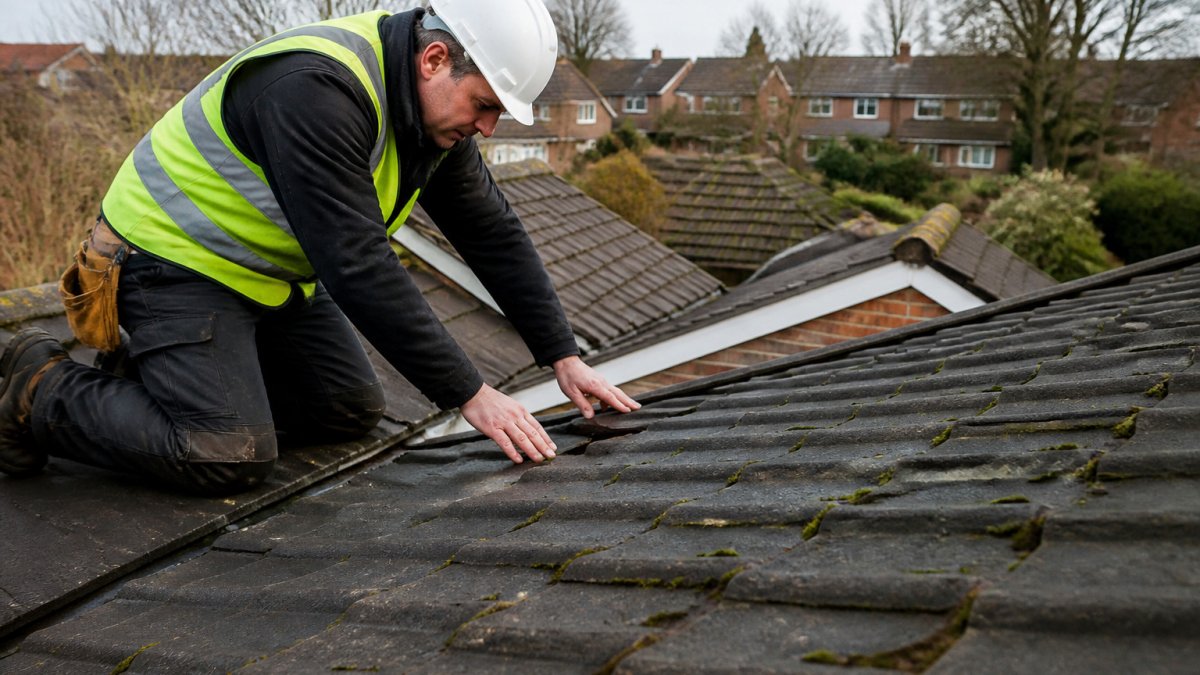
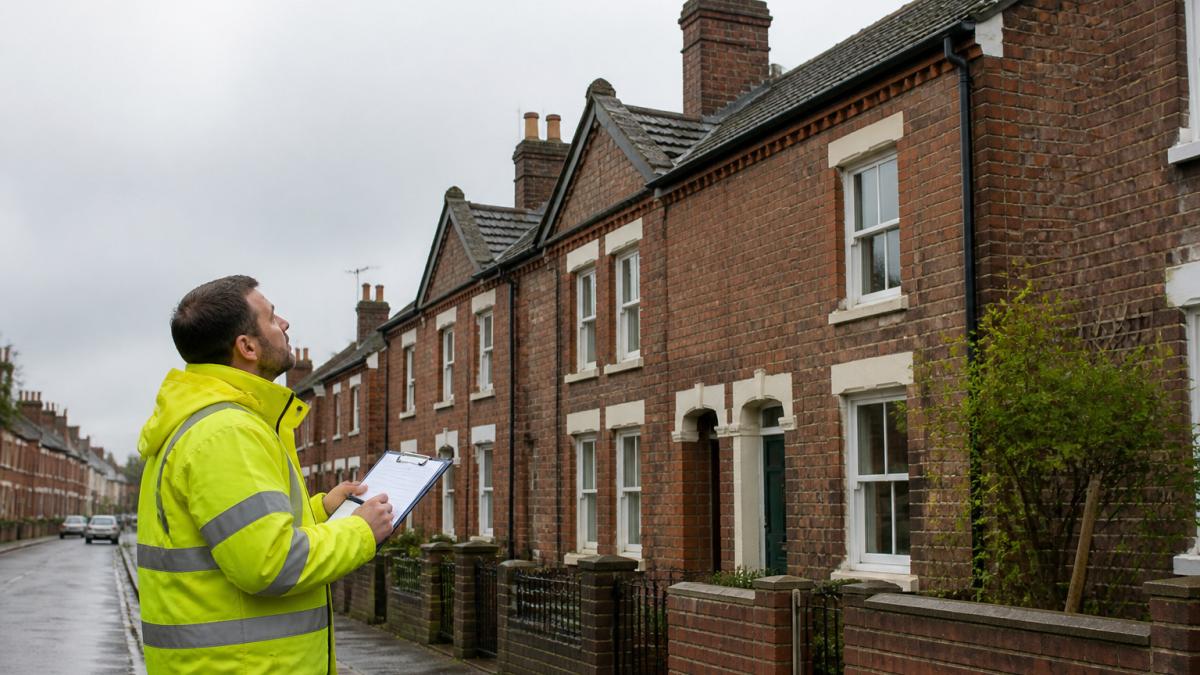
Walk the property with a simple checklist each time you inspect. Work from the ground outwards and note anything that looks different from last time.
- Missing, cracked, slipped or displaced tiles or slates
- Ridge and hip tiles that are loose or have lost mortar
- Flashing around chimneys, dormers and abutments that is lifting or corroded
- Gutters that sag, leak at joints or hold standing water
- Downpipes that are blocked, detached or dripping at the base
- Moss, algae or debris building up in valleys and on flat sections
- Staining on ceilings, walls or loft timbers after rain
- Daylight visible through the roof space or around rooflights
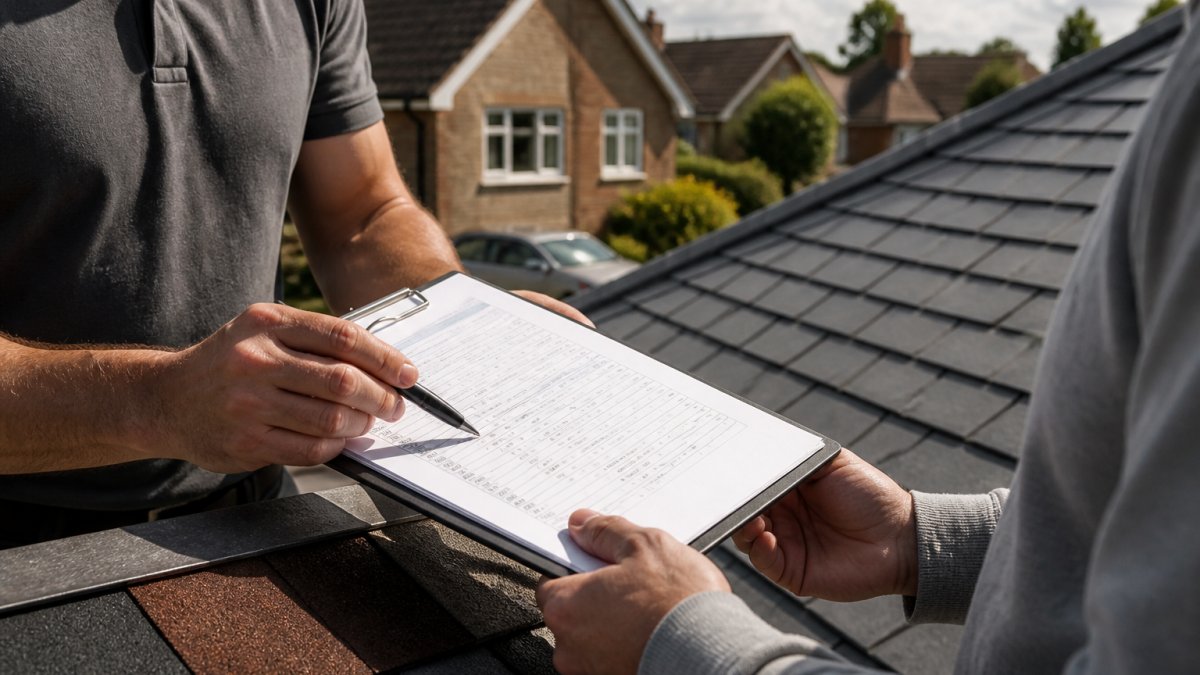
Photograph anything you find and date the photos. These images become your evidence when you instruct a roofer or if an insurer later asks questions.
Roof Maintenance Schedule for Landlords by Season and Roof Type
A single calendar does not fit every roof. Slate, clay tile, concrete tile, flat membrane and metal roofs fail in different ways and at different times of year, so the most useful schedule is one built around the material you actually have. Use the table below as a starting point, then adjust for the roof's age, pitch and exposure.
| Roof type | What to check | Best time to check | Typical warning signs |
|---|---|---|---|
| Natural slate | Slipped or cracked slates, nail fatigue, flashing at valleys and chimneys | Spring and autumn | Rattling in wind, slate fragments in gutters, damp patches on loft timbers |
| Clay or concrete tile | Cracked, moss-covered or displaced tiles, ridge and hip mortar | Spring and autumn | Granules in gutters, daylight through the roof space, loose ridge tiles |
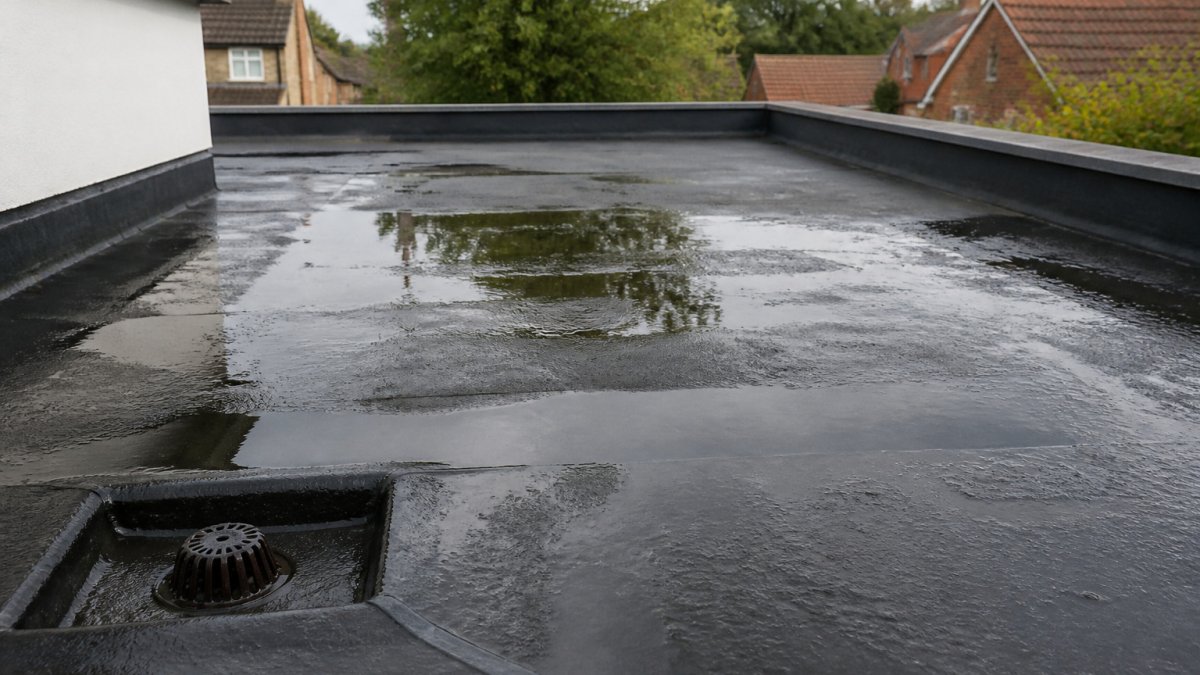
| Flat membrane (EPDM, GRP or felt) | Ponding water, blisters, splits, blocked outlets and upstands | Spring and autumn, plus after heavy rain | Standing water 48 hours after rain, soft spots underfoot, damp at parapet walls |
| Metal (standing seam or corrugated) | Loose fixings, corrosion at cut edges, sealant failure around penetrations | Spring and autumn | Rust streaks, drumming in wind, water tracking at fixings |
| Thatched (where applicable) | Ridge condition, wire netting, moss and vermin | Spring, with a professional survey every few years | Sagging ridge, loose netting, damp in the loft |
A practical annual cycle
- Late winter (February to early March): check for storm damage after the worst of the winter gales. Look for slipped slates, lifted flashing and gutter brackets pulled away from the fascia.
- Spring (April to May): clear gutters and downpipes of winter debris, check ridge and hip mortar, and inspect flat roof outlets before the summer storms.
- Late summer (August): inspect flat roof membranes for blisters and splits while the weather is dry, and check sealant around rooflights and vents.
- Autumn (October to November): the most important check of the year. Clear leaves from gutters, valleys and flat roof drainage points before the wettest months, and confirm downpipes run freely.
- After any severe storm: a targeted check of the windward elevation, ridge line and any trees overhanging the roof.
Two planned inspections a year, plus a post-storm check, is a sensible baseline for most rental roofs. Autumn matters most, because blocked gutters and leaf debris cause the majority of avoidable winter water damage. Stop flat roofs pooling water in the UK sets out practical steps for keeping flat roofs free of standing water.
If you are unsure which roof type you have, ask a roofer to confirm it during the next inspection and note it alongside the property record.
Handling a Roof Leak Report: The Tenant Reporting Process
A tenant reporting a leak is your earliest warning, so respond quickly. Acknowledge the report in writing the same day, record the date, location and a description, and ask for photos if safe to take them.
For an active leak, limit further damage first. Quick temporary fixes for an emergency roof leak cover what you can do today and when to call a professional roofer. Move belongings, place a bucket under the drip and, if you can, arrange temporary protection. Then book a professional inspection.
Once the roofer has repaired the fault, check the affected ceiling and walls after the next heavy rain. A repair that stops the water but leaves the source open can return.
Documenting Inspections, Repairs and Tenant Reports
Good records turn maintenance into a defence. Keep a single log for each property with the date of every inspection, the findings, photos, invoices, and copies of all tenant correspondence.
Store reports from roofers with the work they describe, and note any follow-up required. If a claim is ever made about a leak or damage, this file shows you acted promptly and reasonably. Many landlords keep the log digitally so it can be shared easily with insurers or contractors.
Roof Maintenance Contracts for Landlords: Is a Retainer Worth It?
A maintenance contract, sometimes called a retainer, gives you scheduled inspections and priority access to repairs. It suits landlords with several properties, because it spreads the cost and avoids emergency call-outs at inconvenient times.
It is less useful for a single property with a new roof, where a one-off inspection each year may be enough. When comparing options, ask what is included, how quickly a call-out is attended, whether inspections are documented, and what is excluded. Pricing depends on the size, condition and access of each roof, so request a written quote for your properties.
Booking Your Next Roof Inspection With M.C. Stormproof Roofing
At M.C. Stormproof Roofing, we work with homeowners and property owners across Lincoln and the surrounding area on roof installation, replacement and repair, including flat roofing and guttering.
If your rental roof needs attention, or a tenant has reported a leak, get in touch to request a free quote for your property.
Frequently Asked Questions
How often should landlords inspect a rental property roof?
Most roofs benefit from a visual check from the ground twice a year, once in spring after winter weather and once in autumn before the wet season. A professional inspection every three to five years is a sensible baseline, and sooner after storms, high winds or a tenant report. Keep a dated record of each check, as it helps you show the roof was looked after if a dispute arises later.
What should landlords check during a roof inspection?
Look for missing, cracked, slipped or lifted tiles or slates, damaged ridge and hip tiles, and sagging sections. Check flashing around chimneys and roof lights, and inspect gutters and downpipes for blockages, sagging or leaks at joints. From the ground you can spot most visible problems, so a full landlord roof inspection checklist does not require anyone to climb onto the roof.
Who is responsible for roof repairs in a rented property?
In most tenancies the landlord is responsible for the structure and exterior of the building, which includes the roof, gutters and external pipes, under the relevant landlord and tenant legislation in England. Tenants should report problems promptly and avoid causing damage. Check your tenancy agreement, as it should reflect these duties, and act quickly on any leak to limit further damage.
What should a landlord do if a tenant reports a roof leak?
Acknowledge the report in writing the same day, record the date and details, and ask for photos if safe to take them. Arrange a prompt inspection by a qualified roofer, and place a bucket or protective covering under the leak in the meantime if the tenant is at risk of harm. Keep a note of every step taken, including the repair invoice, so you can show a reasonable response to the repair.
How can landlords prevent roof leaks and water damage?
Clear gutters and downpipes at least twice a year, especially in autumn, and check that they are securely fixed. Replace missing or cracked tiles early, as a small repair is far cheaper than damp treatment or ceiling repairs. Keep loft ventilation clear and check for condensation, which can signal a roof problem that needs attention.
Should landlords hire a professional to inspect the roof?
Yes, a professional inspection is worthwhile every few years and whenever a ground-level check shows possible damage. Roofers can safely access the roof, identify problems you cannot see and give a written report with recommended work. Ask for a clear written quote and confirm the work is covered by insurance before any repairs begin.
What roof maintenance should landlords do before winter?
Before winter, clear all gutters and downpipes, check for loose or damaged tiles after autumn winds, and make sure flashing and sealant around chimneys and roof lights are intact. Trim overhanging branches that could drop debris or rub against the roof. Completing these tasks in October or early November reduces the risk of leaks during the coldest, wettest months.
How should landlords keep records of roof inspections and repairs?
Keep a simple log with the date of each inspection, who carried it out, what was found, photos, and any repair invoices and warranties. Store tenant reports alongside this record, including how and when you responded. Digital copies are useful as backup. These records help with insurance claims, tenant disputes and planning future maintenance budgets.