 ultimate-guide
How Much Does a New Roof Cost in Lincoln? UK Roof Replacement Guide 2026
Table of Contents
- What Determines the Cost of Residential Roof Replacement
- Roof Replacement Cost Per Square Metre
- Roof Replacement Cost By Material
- Hidden Costs and Unexpected Expenses
- Roof Replacement Timeline and Project Duration
- Roof Replacement Quote Checklist
- Common Mistakes When Budgeting for Roof Replacement
- Frequently Asked Questions
Last Updated: October 19, 2026
What Determines the Cost of Residential Roof Replacement
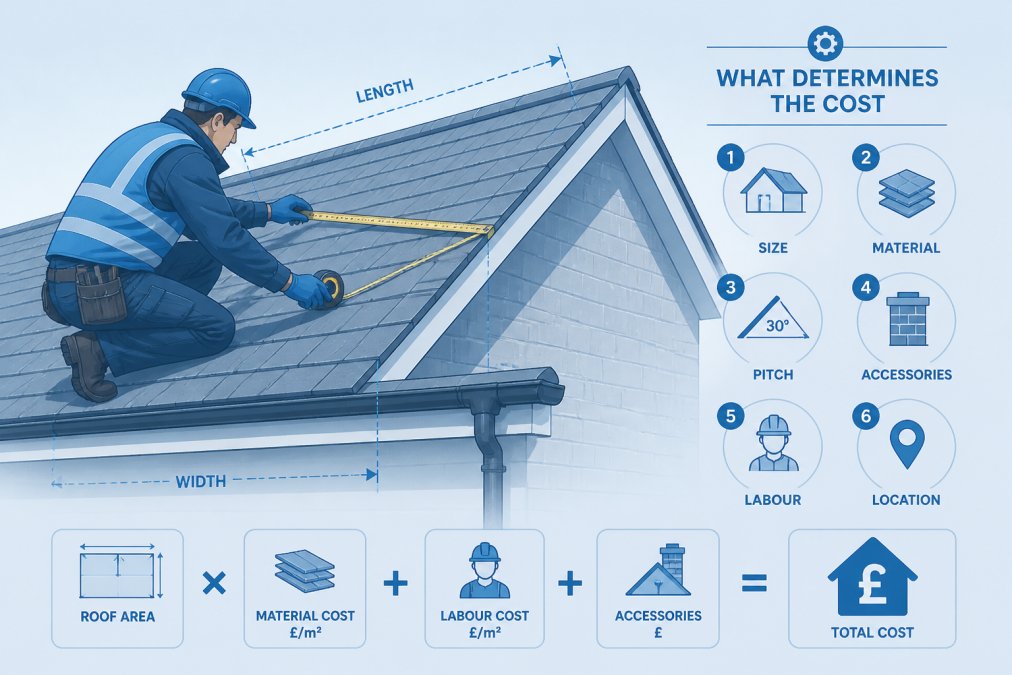
The cost of residential roof replacement depends on several interconnected factors that vary from property to property. Understanding them helps you budget accurately and avoid surprises.
The primary cost drivers are roof size, material choice, structural condition, and local labour rates.
Roof pitch matters more than many homeowners realise. At M.C. Stormproof Roofing, we assess pitch during the initial survey because it affects both material waste and installation time.
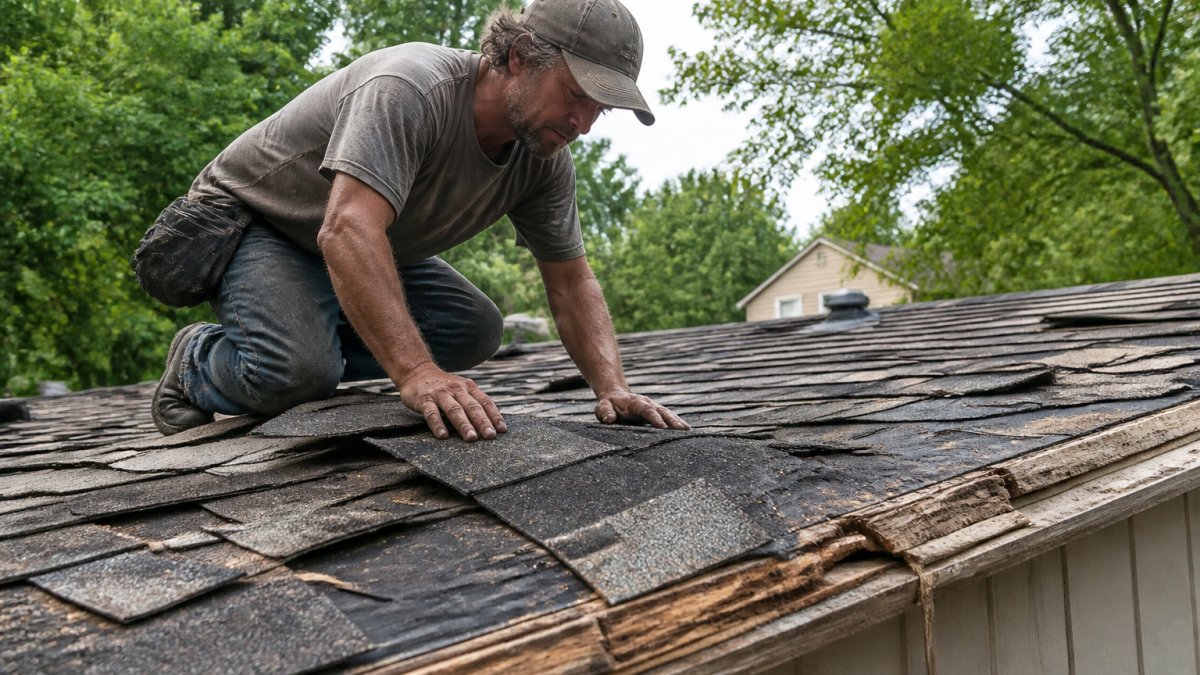
Existing roof condition shapes costs unpredictably. If the surveyor discovers rotted timber, structural damage, or asbestos during the cost of residential roof replacement assessment, those issues must be resolved before new materials go on.
Your location influences labour costs: regional tradesperson rates, travel distances, and local supply chains all factor into final pricing. Weather matters too; autumn and winter work often takes longer due to reduced daylight and poor conditions.
Roof Replacement Cost Per Square Metre
The cost of residential roof replacement is typically quoted per square metre of roof area, though the final bill depends heavily on material and complexity.
Labour costs for standard pitched roof replacement vary with pitch and accessibility. Flat roofs generally cost less per square metre because the work is faster and safer.
Material costs per square metre vary enormously. Budget materials cost less upfront but may need replacing sooner; premium materials cost more but last longer and perform better in storms. The relationship between cost and durability is rarely linear, sometimes a modest increase buys significantly better longevity.
When comparing quotes, ensure you're comparing the same specification. Different prices per square metre may reflect different material grades, warranty terms, or labour rates rather than one being genuinely cheaper. A suspiciously low quote often means lower-grade materials or inexperienced installers.
The cost of residential roof replacement also depends on whether you're replacing the entire roof or just sections. A full replacement spreads labour costs across the whole area, making per-square-metre costs lower than patching damaged sections, where setup costs don't reduce.
Roof Replacement Cost By Material
Material choice is the single largest variable in the cost of residential roof replacement. Different materials have vastly different lifespans, performance characteristics, and price points.
Slate and Tile
Slate is the premium choice, offering exceptional durability and aesthetic appeal. Natural slate roofs regularly last 100+ years, making the high initial cost of residential roof replacement worthwhile over the property's lifetime. Slate is heavy, sometimes requiring structural reinforcement, and installation demands skilled craftspeople, which limits availability and increases labour rates.
Concrete tiles offer a similar appearance to slate at lower cost, typically lasting 50-60 years and performing well in harsh weather. They're heavier than asphalt but lighter than slate, so usually don't require structural upgrades. The cost of residential roof replacement using concrete tiles sits between asphalt and slate.
Clay tiles are traditional, beautiful, and durable (60+ years typical lifespan). They're more expensive than concrete tiles and require specialist installers. Clay performs exceptionally well in coastal areas because it resists salt spray better than other materials.
All tile and slate options require specialist knowledge, and not every roofer has experience with them, which can limit your options and drive up costs.
Asphalt and Composition
Asphalt shingles are the common residential roofing material, offering good value and adequate durability. Standard shingles last 20-25 years, making them a budget-friendly option for the cost of residential roof replacement. Installation is straightforward and most roofers have extensive experience, keeping labour costs reasonable.
Three-tab shingles are the cheapest asphalt option but have the shortest lifespan. Architectural shingles cost more but look better and last longer, while premium asphalt products with enhanced weather resistance perform better in storms and extreme weather.
Asphalt roofing generates significant waste because shingles must be cut to fit valleys, edges, and penetrations, so your actual material cost per square metre may be higher than the quoted price suggests.
Composite shingles blend asphalt with other materials to improve performance. They cost more than standard asphalt but less than slate or tile, offering better longevity (30-40 years) and weather resistance, a higher upfront cost of residential roof replacement but lower over time.
Flat Roofing Systems
Flat roofs require different materials and methods than pitched roofs. Built-up roofing (layers of bitumen and felt) is economical but needs regular maintenance and lasts 20-25 years. Membrane systems (EPDM, TPO, or PVC) are more modern, last 30-40 years, and need less maintenance.
The cost of residential roof replacement for flat roofs is often lower per square metre than pitched roofs because installation is faster and needs less specialised equipment. However, flat roofs are vulnerable to pooling water, which causes leaks if not properly sloped or drained, and poor installation is the primary reason they fail prematurely.
Liquid-applied coatings are an emerging flat roof option, offering seamless protection and excellent durability. They cost more than traditional membranes but eliminate the seam failures common on flat roofs.
Hidden Costs and Unexpected Expenses
The cost of residential roof replacement frequently exceeds initial quotes because of unforeseen structural issues, asbestos, or complications discovered during work.
Asbestos removal is legally required in the UK if present. Older roofing materials, insulation, and flashings often contain asbestos. Professional removal by licensed contractors is expensive and adds weeks to project timelines.
Structural repairs are the most common budget surprise. Rotted timber, inadequate ventilation, or previous poor repairs become visible once the old roof comes off.
Flashing and penetration work is often underestimated. Every pipe, chimney, vent, and skylight requires custom flashing to prevent leaks, and complex roofs with many penetrations cost more because each needs individual attention.
Ventilation upgrades are frequently necessary. Modern building standards require specific ventilation levels, and older roofs often lack them.
Guttering and downpipes often need replacement alongside the roof. Water damage, rust, or poor fit with new materials makes this practical even if it wasn't planned, so budget for it during planning.
Scaffolding and site access costs are often overlooked. Properties with limited access, narrow streets, or difficult positioning require more expensive scaffolding solutions.
Roof Replacement Timeline and Project Duration
The cost of residential roof replacement is influenced by how quickly the work can be completed. Faster installation sometimes costs more because it requires more workers or better coordination.
A typical residential roof replacement takes 5-10 working days, depending on size, pitch, and weather. This timeline assumes no structural issues, good weather, and straightforward material choices. Complex roofs with multiple valleys or dormers take longer.
Weather delays are inevitable. Rain stops work because safety and quality both suffer in wet conditions. Autumn and winter projects are slower because daylight hours are limited and weather is less predictable.
Structural repairs discovered during work extend timelines unpredictably. A roof that was supposed to take 7 days might take 14 if timber replacement is needed. This is why detailed surveys matter, they help predict complications rather than discovering them mid-project.
Material delivery affects scheduling. Standard asphalt shingles are usually in stock, so installation can begin quickly. Slate, tile, or specialist materials may require ordering, which delays the start date.
Your contractor should provide a realistic timeline before work starts and keep you informed of any delays.
Roof Replacement Quote Checklist
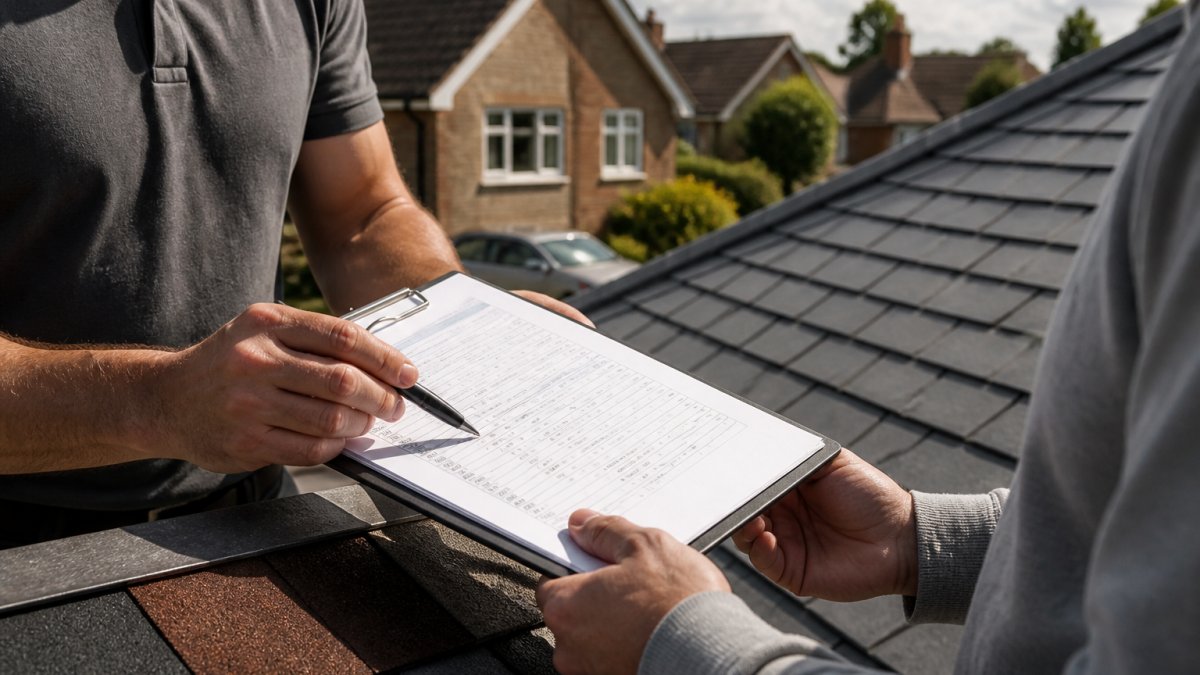
Comparing roof replacement quotes requires careful attention to what's actually included. A lower quote isn't necessarily better if it omits essential work.
Materials specified clearly: The quote should list exact material grades, colours, and warranties.
Labour scope defined: Does the quote include removing the old roof, disposing of waste, installing underlay, flashing all penetrations, and installing new guttering if needed?
Structural assessment: Has the surveyor inspected timber condition, ventilation, and potential asbestos?
Warranty details: What does the material warranty cover, and for how long? What does the workmanship warranty cover?
Timeline and weather contingency: Does the quote include realistic timelines and acknowledge that weather delays happen?
Site-specific considerations: Does the quote address roof pitch, complexity, access difficulties, or structural concerns specific to your property? Generic quotes ignore individual circumstances.
Payment terms: Is payment due upfront, on completion, or in stages? Staged payments (deposit, mid-project, completion) are standard and protect both parties.
Insurance and qualifications: Is the roofer insured? Are they registered with relevant trade bodies? Checking credentials protects you if accidents occur or work quality is poor.
Common Mistakes When Budgeting for Roof Replacement
Homeowners frequently underestimate the cost of residential roof replacement because they focus on material costs and ignore labour, site complexity, and hidden issues.
Comparing only material prices ignores the reality that labour is often 40-50% of total cost.
Ignoring roof complexity leads to budget shock. A simple rectangular roof costs less than one with multiple valleys, dormers, or chimneys.
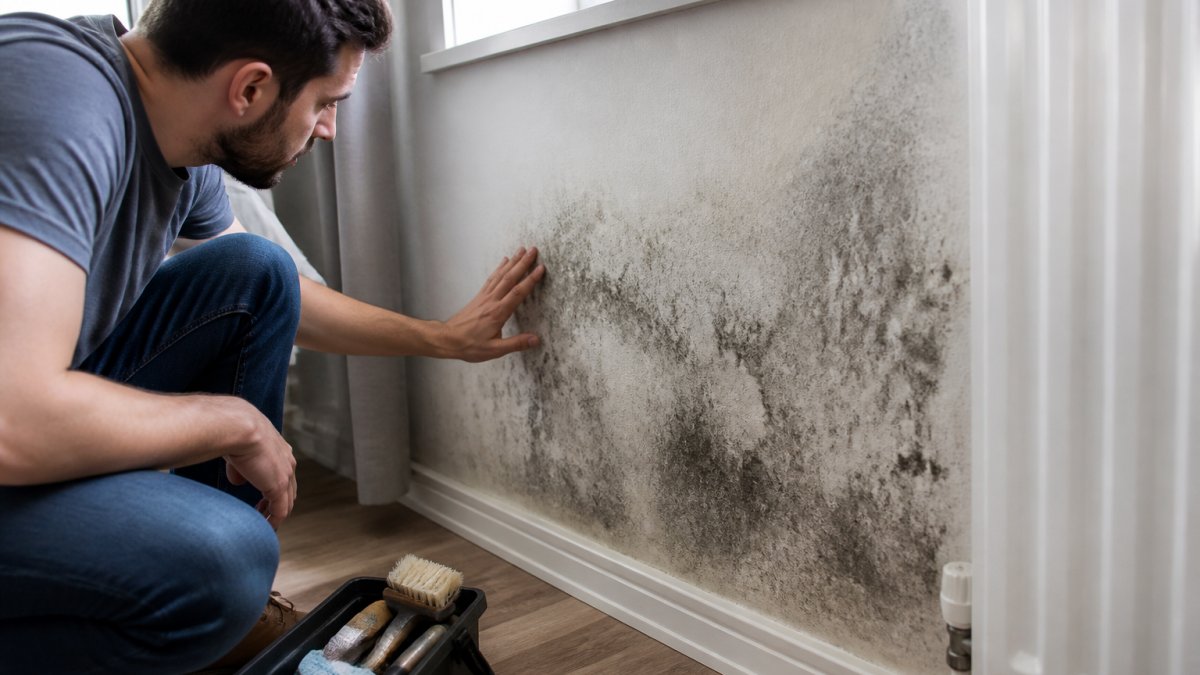
Assuming no structural issues means you'll be surprised when asbestos, rot, or poor ventilation emerges. Properties built before the 1980s often contain asbestos. Properties with poor maintenance history often have structural damage.
Underestimating waste and material loss happens because homeowners think they're paying for what goes on the roof. In reality, cutting shingles to fit valleys, edges, and penetrations generates 10-15% waste.
Choosing based purely on price creates long-term problems. A roofer quoting significantly less than others might be using lower-grade materials, cutting corners on flashing, or planning to rush the work.
Delaying replacement until emergency creates budget pressure and limits options. Emergency roof repairs cost more because they're urgent, weather-dependent, and often require overtime labour.
The cost of residential roof replacement is a significant investment, but understanding what drives expenses helps you budget accurately and make informed decisions. We specialise in residential roof replacements across the area, handling everything from straightforward asphalt installations to complex slate work. GET A FREE QUOTE and let us assess your roof's condition, identify any structural concerns, and provide a detailed quote that reflects exactly what your replacement will cost.
Frequently Asked Questions
How much does it cost to replace a residential roof?
Residential roof replacement costs depend on roof size, material choice, structural repairs needed, and local labour rates. Pricing varies significantly based on whether you're replacing a pitched slate roof, asphalt shingles, or a flat roofing system. Contact M.C. Stormproof Roofing for a free quote tailored to your specific property and requirements.
What factors affect the cost of a roof replacement?
Key factors include roof area measured in square metres, material type and quality, existing roof condition, structural repairs, accessibility, weather conditions during installation, and local labour availability. Additional costs may arise from asbestos removal, chimney work, or unexpected timber decay discovered during replacement. A professional survey helps identify these variables before quoting.
Which roof covering is the most cost-effective?
Asphalt and composition materials typically offer lower initial costs compared to slate, tile, or specialist flat roofing systems. However, cost-effectiveness depends on durability, maintenance requirements, and lifespan. Slate and tile cost more upfront but last 50+ years with minimal maintenance. Flat roofing systems suit extensions and modern builds. Discuss material options with your surveyor to balance budget and longevity.
What extra costs can arise during a roof replacement?
Unexpected expenses include structural repairs to timber, asbestos removal if present in older properties, chimney repointing, gutter replacement, and additional ventilation work. Poor weather may delay completion. Discovering rot or structural damage once work begins can increase costs. A detailed survey and contingency budget of 10-15% help manage these surprises.
How long does a residential roof replacement take?
A typical residential roof replacement takes 1-3 weeks depending on roof size, complexity, material type, and weather. Larger properties or those requiring structural work may take longer. Flat roofing installations for extensions often complete within 5-10 working days. Your contractor should provide a realistic timeline before work starts and keep you informed of any delays.
How do I compare roof replacement quotes?
Use a roof replacement quote checklist to ensure quotes cover materials, labour, removal of old roof, scaffolding, warranty, and insurance. Compare like-for-like specifications rather than price alone. Verify the contractor's qualifications, insurance, and references. Ask what happens if structural issues are found mid-project. Avoid choosing solely on lowest price; professional workmanship protects your investment long-term.