 how-to
How to Spot Cowboy Roofers: A Homeowner's Guide
Last Updated: October 23, 2026
Quick Summary
To spot cowboy roofers, watch for red flags including no fixed business address, cash-only payments, pressure to pay upfront, no insurance documentation, unmarked vehicles, reluctance to provide references, unusually low quotes, and verbal agreements only. Verify legitimacy by checking insurance certificates, NFRC membership, requesting references from recent projects, and asking detailed questions about their experience and process before hiring.
- Cowboy roofers operate without proper qualifications, insurance, or accountability and often disappear after taking payment.
- Legitimate roofers hold NFRC membership, provide public liability and employer's liability insurance, and welcome credential verification.
- Always insist on a written contract with itemised quotes, clear timelines, warranty details, and a payment structure of 25% deposit, 50% on start, 25% on completion.
- Request at least three references from projects completed within the last 12 months and visit completed work to inspect quality firsthand.
- Never pay the full amount upfront and retain a final 10% payment for 28 days after completion to ensure defects are resolved.
Table of Contents
- Red Flags That Signal a Cowboy Roofer
- How to Check a Roofer Is Legitimate
- Questions to Ask a Roofer Before Hiring
- What Should a Roofing Quote Include
- Payment Terms and Contract Protection
- What to Do If a Roofer Has Done a Bad Job
- Why Choosing a Reputable Roofer Matters
- Frequently Asked Questions
Red Flags That Signal a Cowboy Roofer
Cowboy roofers operate as traders without proper qualifications, insurance, or accountability. They disappear after taking payment, leave dangerous work behind, or vanish when problems emerge.
The warning signs are usually obvious once you know what to look for. Many homeowners miss them because they focus on price alone. That's the mistake that leads to leaking roofs, structural damage, and contractors who won't answer calls.
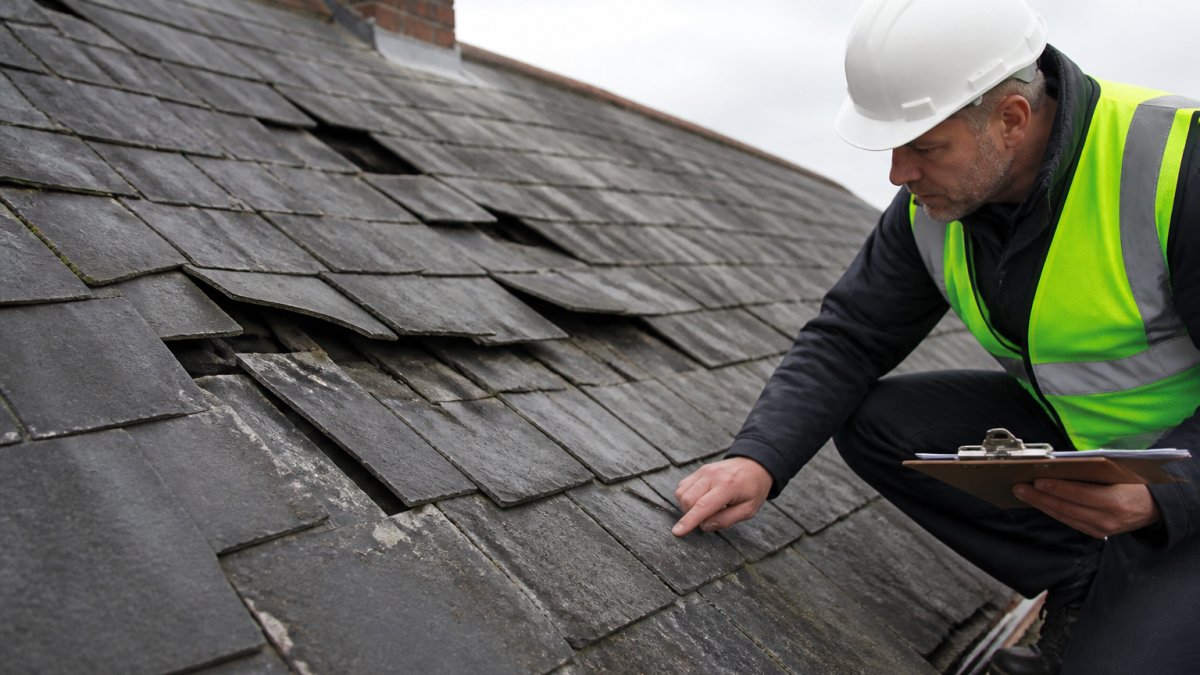
Watch for these specific red flags:
- No fixed address or business premises, They operate from a mobile phone only, with no registered office or yard
- Cash-only payments, Legitimate traders accept bank transfers and provide invoices; cash deals leave no paper trail
- Pressure to pay upfront, Demands for full payment before work starts or large deposits with vague timelines
- No insurance documentation, Refuses to show proof of public liability or employer's liability cover
- Unmarked or temporary vehicles, No business name, phone number, or branding on their van
- Reluctance to provide references, Won't name previous clients or claims they're "too busy" for callbacks
- Unusually low quotes, Prices significantly below other traders often mean corners will be cut
- No written agreement, Verbal quotes only, no contract, no specification of materials or timeline
- Pressure to decide immediately, "This offer expires today" or "I'm only in the area this week" are classic pressure tactics
Property owners often call us to fix work that should have been done right the first time. The cost of fixing poor workmanship always exceeds the money "saved" by hiring an unqualified trader.
How to Check a Roofer Is Legitimate
Verifying a roofer's credentials takes less than an hour and protects your investment. A legitimate trader welcomes scrutiny because they have nothing to hide.
Verify Insurance and Certifications
Insurance is non-negotiable. A roofer without cover puts your property and your liability at risk. If they cause damage or injury, you may be held responsible.
Ask to see:
- Public Liability Insurance, Covers damage to your property or third parties during work
- Employer's Liability Insurance, Required if they employ staff; protects workers and you
- Professional Indemnity Insurance, Covers errors or omissions in their work
Request copies of the certificates and check the expiry dates. Ring the insurer directly to verify the policy is active, don't rely on photocopied documents alone.
For certifications, check whether they hold:
- NFRC (National Federation of Roofing Contractors) membership, Industry standard for qualified roofers
- CSCS card, Construction Skills Certification Scheme; proves they've passed safety and competency tests
- Manufacturer certifications, For specialist work like flat roofing or slate installation
Search the NFRC register of approved contractors to verify membership. Legitimate traders are proud to be listed.
Check References and Past Work
References reveal how a roofer actually performs once the contract is signed. Ask for at least three recent projects, ideally completed within the last 12 months.
When you contact references, ask:
- Did the work finish on the agreed date?
- Were there unexpected costs or changes?
- How did the roofer handle problems that arose?
- Would you hire them again?
- Can you visit the property to inspect the work?
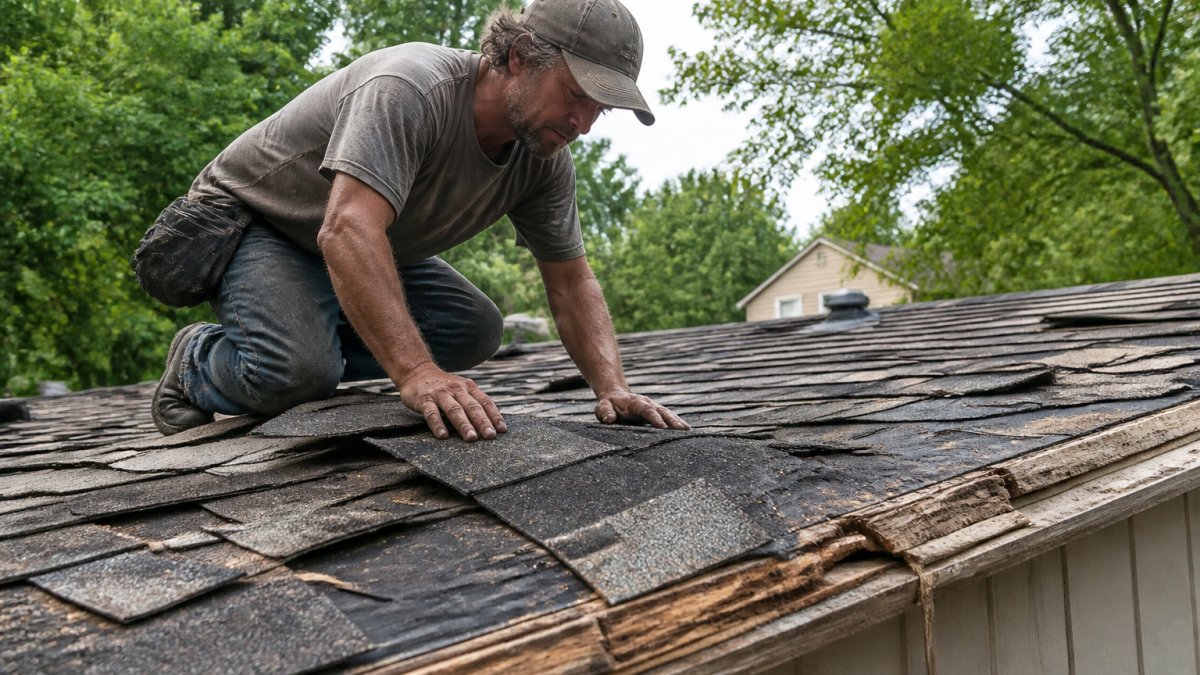
Visiting completed work lets you see quality firsthand. Look for neat pointing, properly sealed flashings, and no loose tiles or debris. Poor workmanship is visible.
Online reviews provide a snapshot, but they're not foolproof. Check Google, Trustpilot, and local Facebook groups. Look for patterns, one negative review might be unfair, but multiple complaints about the same issue (missed deadlines, poor finishing, unresponsiveness) suggest a real problem.
Questions to Ask a Roofer Before Hiring
The right questions help you spot cowboy roofers and separate them from professionals. A legitimate trader answers clearly and without hesitation.
Ask these before you commit:
- How long have you been in business?, Established traders typically have 5+ years' experience. New operators aren't necessarily bad, but they should have relevant qualifications.
- Who will do the actual work?, Will the owner supervise, or will it be subcontractors? You want clarity on who's responsible if something goes wrong.
- What's your process for dealing with unforeseen problems?, For example, if they find rotten timber during a roof replacement, how will they handle it? A vague answer is a warning sign.
- How do you protect my property during work?, Do they cover gutters, seal entry points, and remove debris daily?
- What warranty do you offer?, Workmanship warranties typically run 5-10 years. Materials warranties depend on what's installed.
- How will you handle complaints or defects?, A professional commits to returning to fix issues at no extra cost within a set period.
- Are you registered with Trading Standards?, Check the Trading Standards consumer advice on hiring traders for guidance on verified traders.
What Should a Roofing Quote Include
A proper quote is detailed and specific. If it's vague, ask for clarification before accepting it.
A professional roofing quote must cover:
| Element | What to Look For |
|---|---|
| Scope of work | Exactly what will be done (e.g., full replacement, repairs, guttering) |
| Materials specified | Brand, grade, and quantity (e.g., Marley concrete tiles, grade A slate) |
| Labour costs | Broken down separately from materials |
| Timeline | Start date, expected duration, and completion date |
| Access and site safety | How they'll protect your property and manage debris |
| Warranty details | Years covered for workmanship and materials |
| Payment terms | Total cost, deposit amount, and payment schedule |
| Exclusions | What's NOT included (e.g., structural repairs, asbestos removal) |
| VAT | Whether the price includes VAT at 20% |
Red flags in a quote:
- No itemised breakdown (just a single line: "Roof replacement: £X")
- Vague material descriptions ("roof tiles" without specifying type or grade)
- No timeline or start date
- No warranty mentioned
- Significantly lower than other quotes with no explanation
When comparing quotes, you're not just comparing price. You're comparing materials, workmanship, warranty, and the trader's reliability. The cheapest quote often reflects the lowest quality.
Payment Terms and Contract Protection
How and when you pay protects both you and the roofer. Clear payment terms prevent disputes and give you recourse if work is substandard.
Protect yourself:
- Never pay the full amount upfront. A typical structure is 25% deposit, 50% on start, 25% on completion. Larger projects may use milestone payments.
- Insist on a written contract. It should detail scope, timeline, costs, payment schedule, and what happens if either party breaks the agreement.
- Retain a final payment until defects are resolved. Hold back 10% for 28 days after completion. This gives you leverage if problems emerge.
- Get a completion certificate. The roofer should provide proof the work meets building regulations and their warranty terms.
- Check the contract covers disputes. It should outline how complaints are handled and what compensation applies if work is defective.
Ask whether they're registered with a consumer protection scheme like NFRC's dispute resolution service. These schemes provide independent arbitration if you and the roofer disagree about quality or payment.
What to Do If a Roofer Has Done a Bad Job
If work is poor, act quickly. Documentation and communication create a record that supports your claim.
Take these steps:
1. Document the problems. Take clear photographs and videos showing defects. Note dates and specific issues (e.g., "loose tiles above the east gutter, 15 October 2026").
2. Contact the roofer in writing. Email or send a letter detailing the defects and requesting they return to fix them.
3. Give them a reasonable timeframe to respond. Usually 7-14 days is fair. If they ignore you or refuse to help, escalate.
4. Raise a formal complaint. If they're NFRC-registered, file a complaint with their dispute resolution scheme.
5. Get an independent assessment. Hire another qualified roofer to inspect the work and provide a written report on defects.
**6.
Insurance matters too. If the roofer's poor work caused damage to your home, their public liability insurance may cover repairs.
Why Choosing a Reputable Roofer Matters
The difference between a qualified roofer and a cowboy operator extends far beyond the initial job. Poor roofing work creates cascading problems that grow more expensive over time.
A badly installed roof leads to:
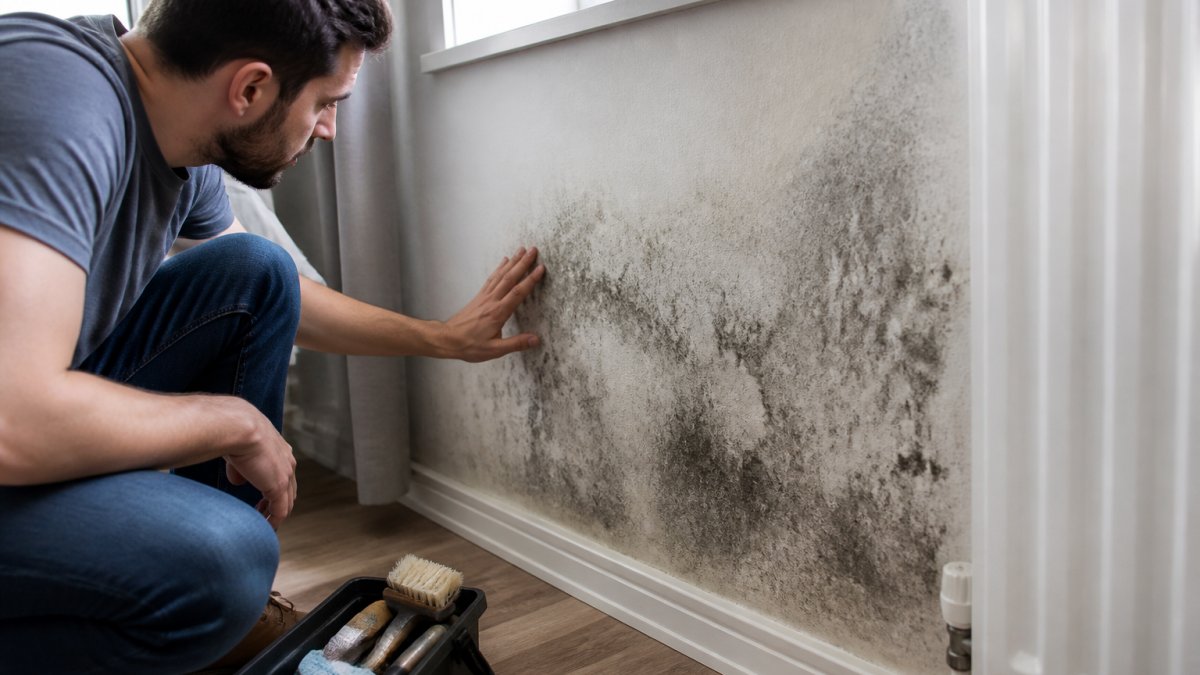
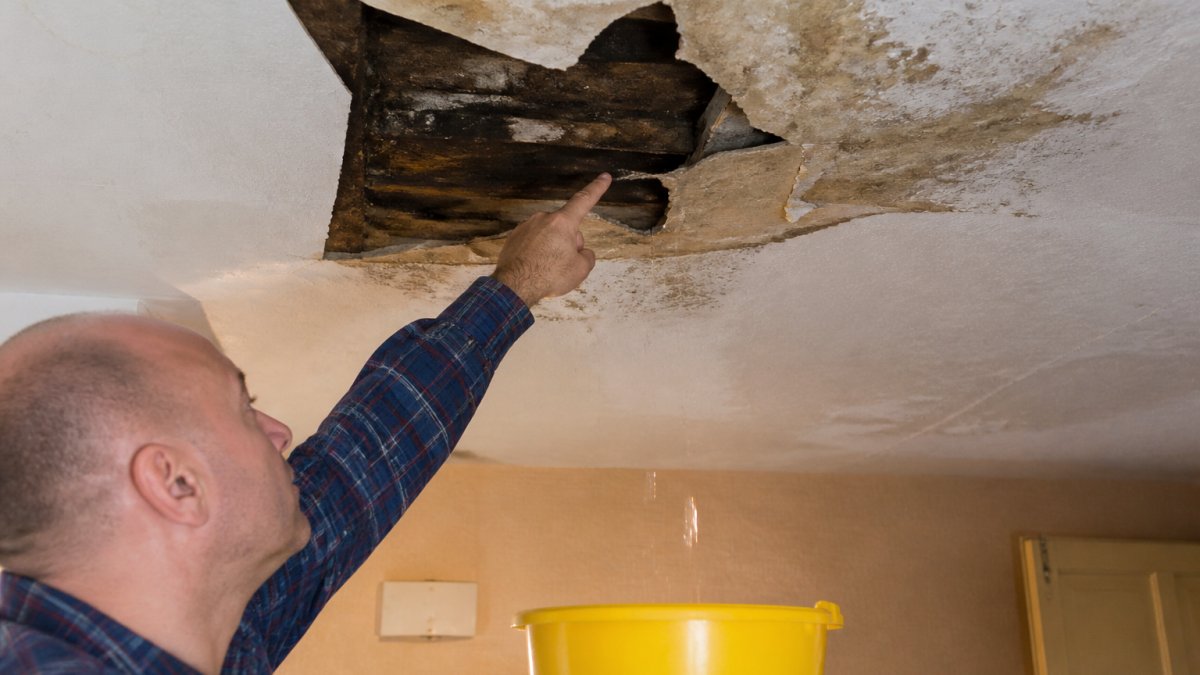
- Water ingress and damp, Leaks damage insulation, plasterboard, and timber. Mould follows. Repair costs spiral quickly.
- Structural damage, Unaddressed water damage weakens joists and rafters. Structural repairs cost thousands.
- Failed building inspections, If you sell, a surveyor will flag poor roofing work. Buyers walk away or demand price reductions.
- Insurance complications, Insurers may refuse claims if work wasn't done to standard. You're left paying for repairs yourself.
- Voided warranties, If a roofer uses cheap materials or incorrect installation methods, manufacturer warranties become invalid.
M.C. Stormproof Roofing specialises in comprehensive residential roofing solutions, new roofs, full replacements, repairs, and flat roofing for extensions. We work across the area and understand local weather challenges. That peace of mind is worth paying for.
Choosing a reputable roofer means:
- Your roof is installed to building regulations and manufacturer standards
- You have written warranties covering both materials and workmanship
- If problems emerge, you have a trader who stands behind their work
- Your insurance remains valid and claims are honoured
- Your home retains its value and passes future surveys
Frequently Asked Questions
What are the main warning signs of a cowboy roofer?
Key red flags include refusing to provide insurance details, demanding full payment upfront, offering quotes significantly lower than competitors, working without a written contract, and having no verifiable references. Legitimate roofers will always provide proof of public liability insurance, give itemised quotes, and offer warranties on their work. If a roofer pressures you to decide immediately or avoids answering questions about their qualifications, that's a strong warning sign to look elsewhere.
How can I check whether a roofing company is legitimate?
Ask for proof of public liability insurance and employer's liability insurance if they employ staff. Request references from recent customers and contact them directly about their experience. Check whether the roofer is registered with relevant trade bodies or professional organisations. Search online for reviews and complaints. A legitimate roofer will provide a detailed written quote, explain their work process, and give you time to make a decision without pressure. They should also be happy to discuss guarantees and aftercare arrangements.
What should I do if a roofer has done a bad job?
Document the poor workmanship with photographs and written notes. Review your contract and warranty terms, most reputable roofers offer guarantees on their work. Contact the roofer in writing (email or letter) describing the issues and requesting remedial work within a reasonable timeframe. If they refuse or ignore you, contact your local authority's trading standards service or consider small claims court if the cost is significant. If the roofer was registered with a trade body, you may be able to lodge a formal complaint with them for investigation.
What questions should I ask a roofer before hiring them?
Ask about their experience with your specific roof type, how long the job will take, and what happens if structural damage is found during work. Request details of their insurance, references, and any professional memberships. Clarify payment terms, legitimate roofers rarely ask for full payment upfront. Ask about the warranty period, what it covers, and how they handle future maintenance. Get everything in a written quote and contract before work begins. Finally, ask whether they'll handle waste disposal and site clearance professionally.
Spotting a cowboy roofer protects your home and your wallet. Check credentials, ask the right questions, get everything in writing, and don't chase the lowest price. A professional roofer welcomes scrutiny because they have nothing to hide. When you're ready to get your roof done properly, M.C. Stormproof Roofing delivers durable, expert installation across the area. Get a free quote today and see the difference professional workmanship makes.