 how-to
Preventing Damp in Rental Properties: A Guide
Table of Contents
- What Causes Damp in Rental Properties
- Understanding Damp and Mould Landlord Responsibilities
- Using a Landlord Damp Inspection Checklist
- Reducing Condensation in Rented Properties
- How to Report Damp to a Landlord
- Practical Steps to Prevent Damp in Rental Properties
- Frequently Asked Questions
Last Updated: 21 October 2026
What Causes Damp in Rental Properties
Damp in rental properties stems from a handful of common culprits. Understanding what causes it is the first step toward solving it.
Condensation builds up when warm, moist air meets cold surfaces. Bathrooms, kitchens, and bedrooms are hotspots. Poor ventilation traps the moisture. Over time, it settles on walls, windows, and ceilings.
Rising damp occurs when water travels up through the foundations and ground floor walls.
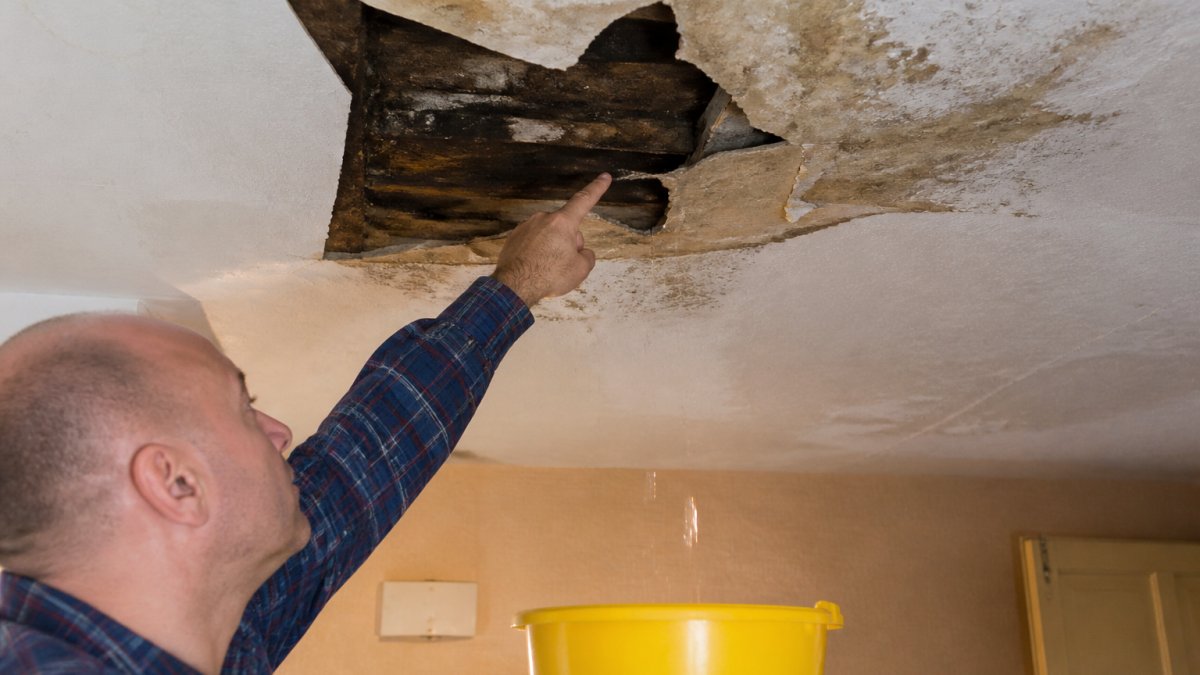
Penetrating damp enters from outside. Leaking roofs, damaged guttering, cracked mortar, and blocked drainage channels all allow water to seep through external walls.
Poor drainage around the property creates standing water. If gutters overflow, downpipes are blocked, or ground grading slopes toward the building, water pools against foundations and walls. This forces moisture inward.
Inadequate heating makes condensation worse. Cold rooms encourage moisture to settle. Unheated rental properties, or those with heating used sparingly to cut costs, become damp magnets.
Understanding Damp and Mould Landlord Responsibilities
Landlords have legal obligations when it comes to damp and mould. Knowing these responsibilities protects both the property and your tenants.
Under the Housing Health and Safety Rating System (HHSRS), damp and mould are treated as serious hazards. The Health and Safety Executive guidance on damp and mould sets out that landlords must take reasonable steps to prevent conditions that lead to damp growth.
Your responsibilities include:
- Maintaining the building structure so water cannot penetrate
- Ensuring adequate ventilation throughout the property
- Keeping guttering, downpipes, and drainage in working order
- Repairing leaks promptly once reported
- Heating the property to a reasonable temperature during cold months
- Responding to tenant reports within a reasonable timeframe
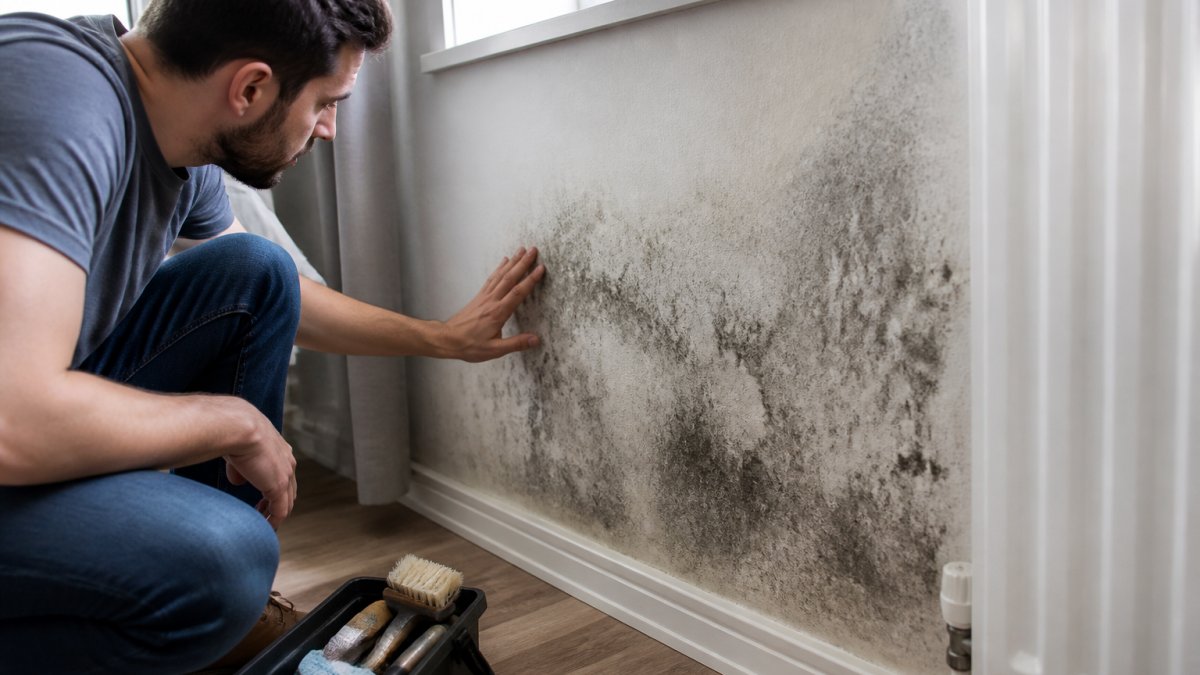
Mould is a health hazard. It triggers respiratory problems, allergies, and asthma. Tenants can claim compensation if you fail to address damp and mould. In serious cases, they can withhold rent or break the tenancy early.
The Department for Levelling Up guidance on landlord responsibilities makes clear: preventing damp in rental properties is not optional. It's a legal requirement.
Using a Landlord Damp Inspection Checklist
A structured inspection catches damp early. Use this checklist every six months, or after any tenant complaint.
Visual inspection:
- Check all walls for discolouration, staining, or soft plaster
- Look for peeling paint or wallpaper
- Inspect corners and skirting boards, damp often starts here
- Check window frames for condensation or rot
- Examine ceilings for water marks or sagging
Structural checks:
- Walk the roof line from ground level, look for missing tiles or damaged flashing
- Inspect gutters and downpipes for blockages, leaks, or damage
- Check the ground slope around the building, water should drain away, not toward walls
- Look for cracks in external walls or mortar joints
- Test the damp-proof course if accessible, press a knife into it; it should be hard, not crumbly
Ventilation assessment:
- Confirm extractor fans in bathrooms work properly
- Check kitchen ventilation is clear and functional
- Ensure air bricks (small vents in walls) are not blocked
- Look for signs of condensation on windows in the morning
Tenant interview:
- Ask where they've noticed damp or condensation
- Ask how often they open windows
- Ask whether they use heating regularly
- Document their answers in writing
A landlord damp inspection checklist turns vague concerns into actionable findings. If you spot problems, photograph them and create a repair schedule.
Reducing Condensation in Rented Properties
Condensation is the easiest form of damp to control, and tenants play a key role.
Ventilation is the primary fix. Open windows for 10-15 minutes each morning, even in winter. This clears moist air before it cools and settles.
Heating matters. A property kept at 15-18°C reduces condensation significantly. Encourage tenants to use heating during cold months. Cold surfaces invite moisture to condense on them; warm surfaces do not.
Reduce moisture sources:
- Run extractor fans during and after showers
- Wipe down bathroom mirrors and tiles after use
- Avoid drying clothes indoors, use a tumble dryer or outdoor line
- Keep kitchen doors closed while cooking
- Use lids on pots and pans to trap steam
Furniture placement affects condensation too. Push beds, wardrobes, and sofas away from external walls. Air needs to circulate around them.
Dehumidifiers help in problem rooms. They're inexpensive and effective for reducing condensation in rented properties where ventilation is limited.
Many tenants don't understand that their daily habits affect damp. Provide clear guidance in the tenancy agreement or a welcome pack. Show them how to use extractor fans and why opening windows matters.
How to Report Damp to a Landlord
If you're a tenant, reporting damp correctly protects your rights and ensures action.
Report in writing. Email or send a letter, do not rely on verbal reports. Include:
- The date you first noticed damp
- The exact location (which room, which wall, which area)
- Photos of the damp or mould
- How long it has been present
- Any health effects you've experienced
Be specific. "There's damp in the bedroom" is vague. "There is black mould on the north wall above the radiator, spreading across approximately 30cm, present for at least two weeks" is actionable.
Keep copies. Save emails and letters. If the landlord does not respond, you'll have proof of your report.
Give reasonable time. Most landlords should respond within 7-14 days. Emergency repairs (active leaks, serious mould) warrant faster action.
Follow up if ignored. If the landlord doesn't respond:
- Send a second written request
- Contact your local authority's environmental health team
- Seek advice from Shelter, the housing charity, which offers free guidance on tenant rights
Document everything. Take photos regularly. Note any worsening. Record conversations in writing afterward ("Following our phone call on [date], you agreed to inspect the damp on [date]").
Reporting damp to a landlord in writing creates a paper trail. It protects you legally and makes it harder for the landlord to ignore the problem.
Practical Steps to Prevent Damp in Rental Properties
Preventing damp in rental properties requires action on multiple fronts. These steps address the root causes.
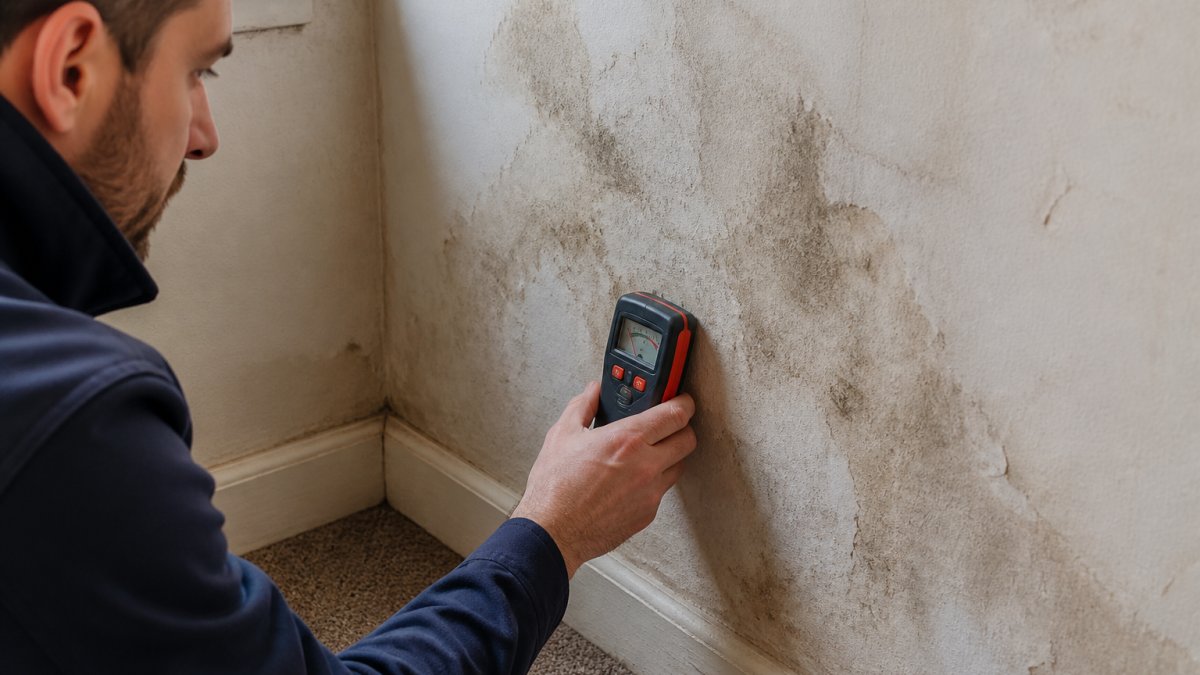
Improve Ventilation
Ventilation removes moisture before it condenses. This is the most effective damp prevention tool.
Install or repair extractor fans in bathrooms and kitchens. They should run during use and for 20 minutes afterward. If fans are missing, add them. If they're broken, fix them promptly.
Ensure air bricks are clear. These small vents in external walls allow air to flow beneath the building. Blocked air bricks trap moisture. Clear them of debris, paint, and obstructions.
Encourage window opening. Tenants should open windows for 10-15 minutes each morning. This exchange of air is simple and free.
Consider mechanical ventilation in problem areas. Positive input ventilation (PIV) systems bring fresh air into the property continuously. They cost £300-600 to install but work well in properties with poor natural ventilation.
Improving ventilation in rented properties is not expensive. It's often the most cost-effective damp prevention step.
Fix Leaks Promptly
Water entering from outside accelerates damp. Every leak must be addressed.
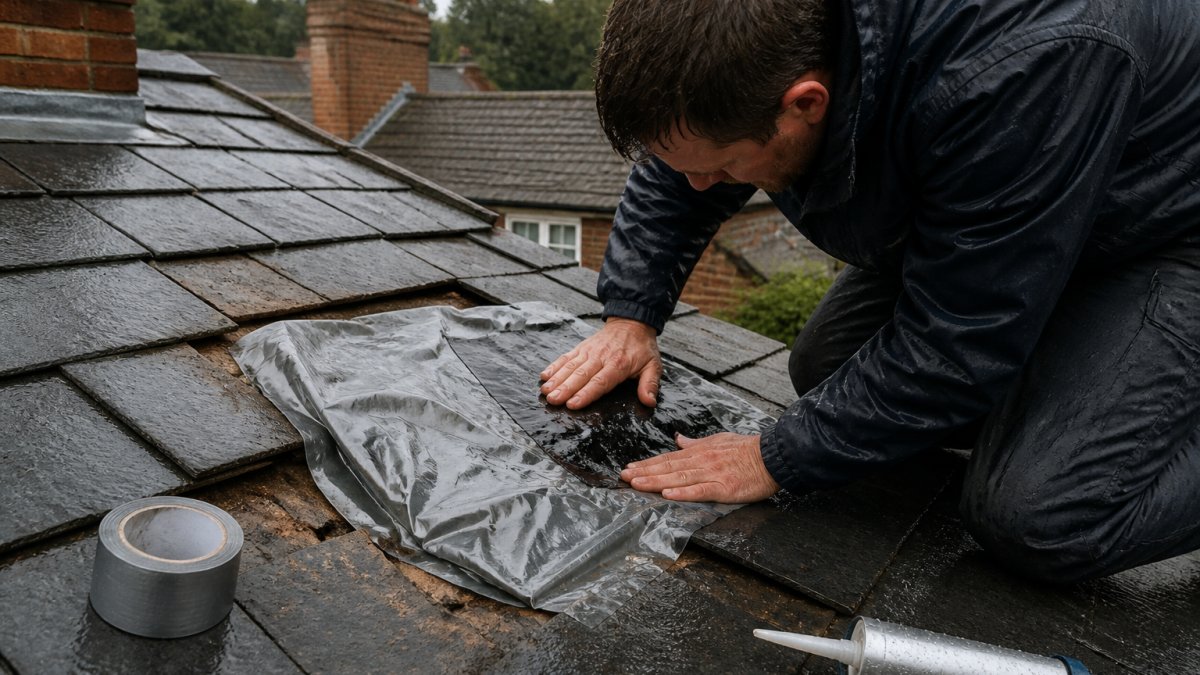
Inspect the roof regularly. Missing tiles, cracked flashing, and damaged pointing allow water through. A professional roof inspection catches problems early.
Repair guttering immediately. Leaking, sagging, or blocked gutters overflow and pour water down external walls. Clean gutters twice yearly. Replace damaged sections without delay.
Seal cracks in external walls. Hairline cracks in mortar widen over time. Repoint mortar joints where they're crumbling. Seal cracks in render or brickwork with appropriate sealant.
Test the damp-proof course. If you suspect rising damp, have a surveyor test the DPC. If it's failed, it needs professional repair or replacement.
Most damp problems in rental properties stem from roof or gutter failures. A leaking roof is the fastest way to create serious damp. Fixing it stops the problem at the source.
Manage Guttering and Drainage
Guttering and drainage control water flow around the property. Poor drainage forces water toward foundations and walls.
Clean gutters twice yearly. Spring and autumn are ideal times. Remove leaves, moss, and debris. Check for leaks or damage.
Inspect downpipes. They should be clear and direct water at least 1.5 metres away from the building. Blocked downpipes cause overflow.
Check ground grading. The ground should slope away from the building, not toward it. If water pools against the walls after rain, the grading needs adjustment.
Maintain French drains or soakaways if present. These systems direct water away from the building. If they're blocked or damaged, they become useless.
Clear surface water channels. Any channels, gullies, or drains around the property must be free-flowing.
Good drainage is invisible when it works. You only notice it when it fails and water appears where it shouldn't.
Maintain Roof Condition
The roof is your first line of defence against water. A sound roof prevents most damp problems.
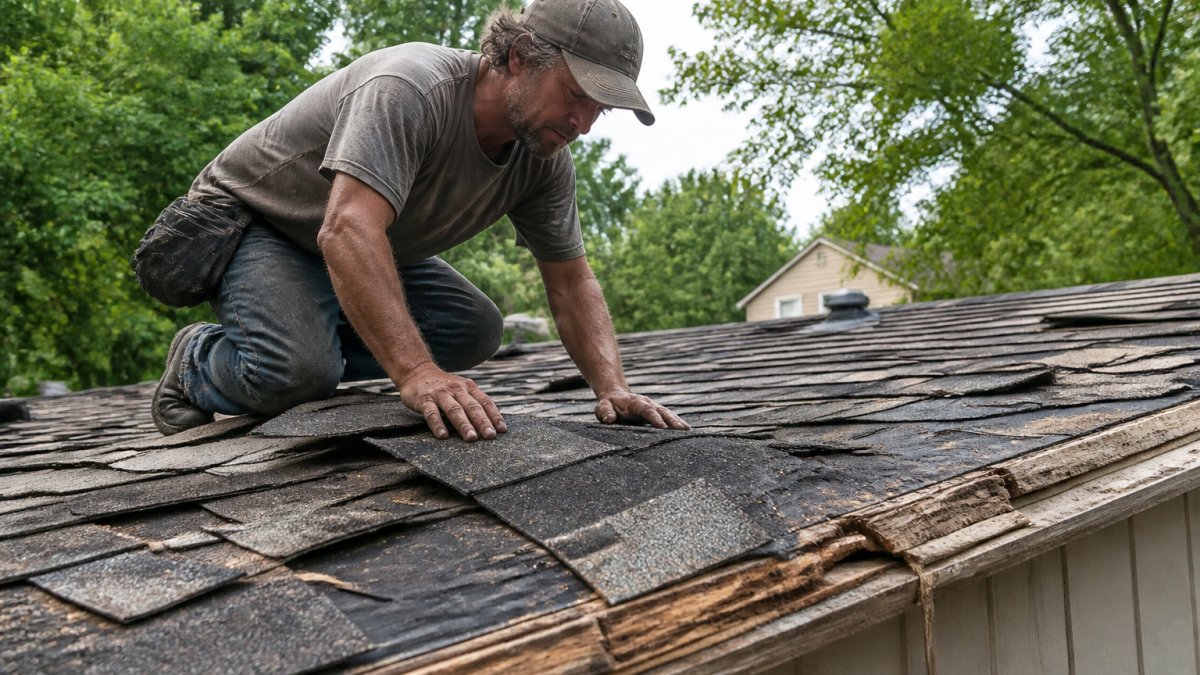
Inspect the roof annually. Look for missing tiles, cracked slates, loose flashing, or damaged pointing. Address problems before they leak.
Replace damaged tiles or slates promptly. One missing tile can allow water to penetrate the roof structure. What starts small becomes expensive quickly.
Check flashing around chimneys, vents, and valleys. These areas are vulnerable to leaks. Flashing should be intact and well-sealed.
Have a professional survey every 5-10 years. A qualified surveyor spots problems you might miss. Professional roof maintenance prevents emergency repairs.
Plan for roof replacement. Most roofs last 30-50 years, depending on material.
A well-maintained roof is the cheapest damp prevention investment. Neglecting roof maintenance guarantees expensive damp problems later.
Preventing damp in rental properties protects your investment and your tenants' health.
If you're dealing with roof damage or suspect a leak is causing damp, a professional assessment is essential. M.C. Stormproof Roofing specialises in roof repairs and replacements that eliminate water ingress.
Frequently Asked Questions
What causes damp and mould in a rented home?
Damp typically stems from three sources: rising damp from ground moisture, penetrating damp from leaks in the roof or walls, or condensation from poor ventilation. Mould grows where damp persists. Leaking roofs, blocked gutters, cracked external walls, and inadequate air circulation are common culprits. Identifying the source is essential before treatment, as preventing damp in rental properties requires targeting the root cause rather than just treating symptoms.
Who is responsible for damp and mould in a rented property?
Landlords hold legal responsibility for structural defects causing damp, including roof leaks, faulty guttering, and external wall damage. Tenants must report damp promptly and maintain reasonable ventilation practices. Under the Housing Act 2004, properties must be fit for human habitation, which includes protection from dampness. Damp and mould landlord responsibilities include carrying out repairs within a reasonable timeframe. Tenants should document issues with photographs and written reports to establish the timeline.
How can tenants reduce condensation in a rental property?
Reducing condensation in rented properties involves daily habits: open windows for 10-15 minutes after bathing or cooking, use extractor fans in kitchens and bathrooms, dry washing outdoors when possible, and keep internal doors open to allow air circulation. Avoid blocking vents or radiators. Wipe down condensation on windows each morning. These steps cost nothing but require consistency. If condensation persists despite good practices, it signals inadequate ventilation or insulation, which is a landlord's responsibility to address.
How should tenants report damp to their landlord?
How to report damp to a landlord: send a written message (email or letter) describing the location, extent, and when it first appeared. Include photographs showing affected areas. Mention any health concerns (respiratory issues, allergies). Request a specific response date, typically 7-14 days for inspection and 28 days for repairs under standard tenancy agreements. Keep copies of all communications. If the landlord fails to act, contact your local authority's environmental health team, which can issue enforcement notices requiring remedial action.